Postpartum Healing: Why the Nervous System Matters After Birth
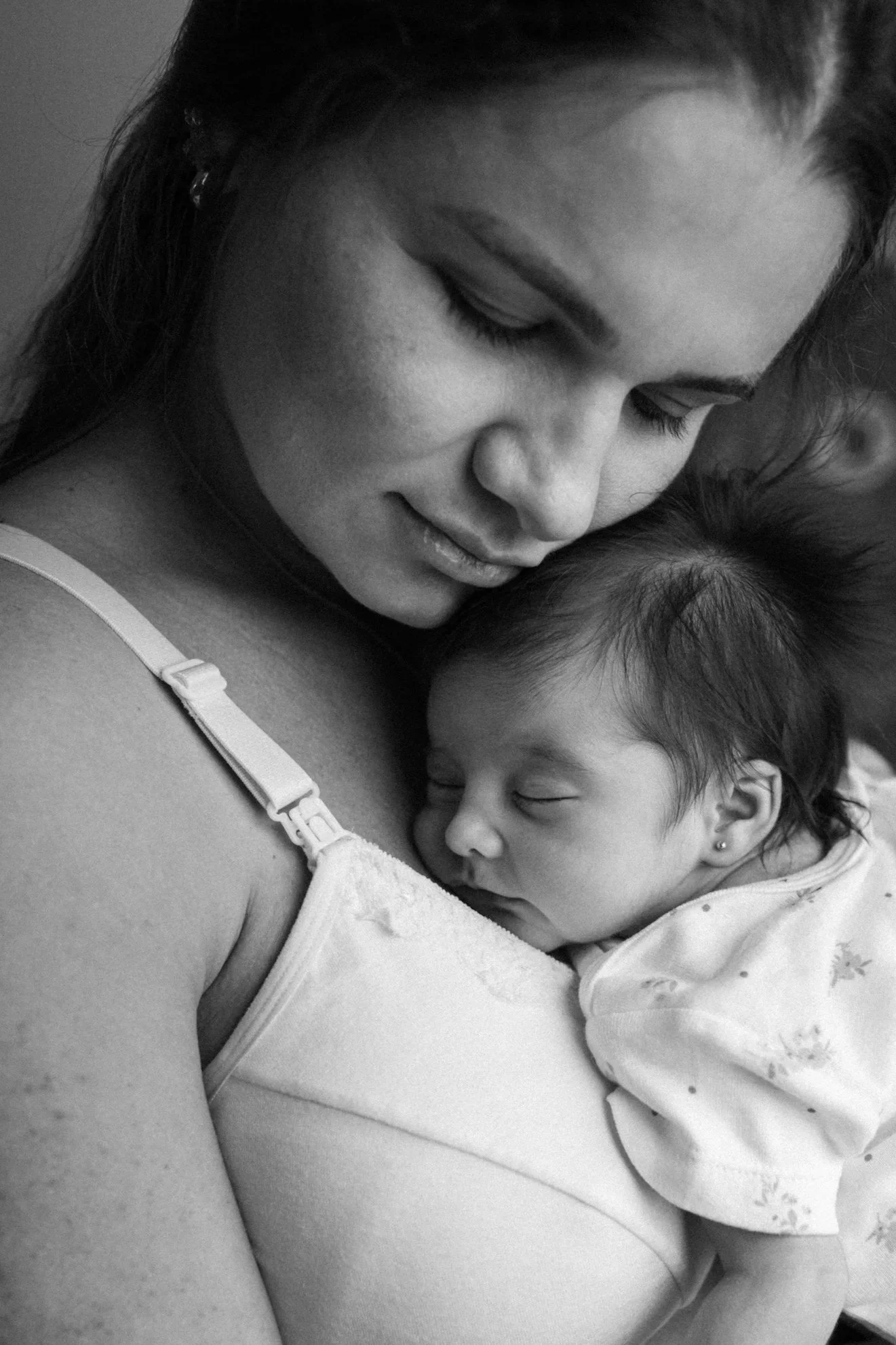
The postpartum period is one of the most profound transitions a woman can experience.
After months of pregnancy and the intensity of birth, a mother’s body begins the process of healing, recovery, and adaptation.
At the same time, she is learning to care for a new baby, adjusting to changing sleep patterns, and navigating the emotional and physical shifts of early motherhood.
While much attention is placed on pregnancy and birth, the postpartum season deserves just as much support and care.
Your Body After Birth
Pregnancy and birth place significant demands on the body.
During pregnancy, the spine and pelvis adapt to support a growing baby and shifting center of gravity. Ligaments soften, posture changes, and muscles work in new ways to stabilize the body.
Birth itself—whether vaginal or cesarean—involves intense muscular coordination, pressure, and movement through the pelvis.
After birth, the body begins the process of recovery. However, many women continue to experience:
Low back or pelvic pain
Neck and shoulder tension from feeding or holding baby
Headaches
Fatigue
Postural strain
Core and pelvic instability
Supporting the nervous system and musculoskeletal system during this time can help the body recover more effectively.
The Nervous System and Postpartum Recovery
The nervous system plays a central role in healing and recovery.
It regulates hormone balance, sleep cycles, digestion, and the body’s ability to repair tissues after the stress of pregnancy and birth.
When the nervous system is balanced between its sympathetic (“fight or flight”) and parasympathetic (“rest and repair”) states, the body can recover more efficiently.
However, the early postpartum period often places mothers under significant stress and sleep deprivation. These factors can keep the nervous system in a heightened state of alertness, which may make recovery more challenging.
Chiropractic care focuses on supporting nervous system function so the body can shift more easily into restorative states.
Posture and the New Demands of Motherhood
Caring for a newborn requires many repetitive movements and positions.
Feeding, rocking, carrying, and soothing baby often involve leaning forward, rounding the shoulders, or holding one position for long periods of time. Over time, this can create tension in the neck, upper back, and shoulders.
Chiropractic adjustments help restore movement to the spine and joints, allowing muscles to relax and reducing the strain created by these new daily demands.
Many mothers find that regular care helps them move more comfortably as they adjust to the physical aspects of caring for their baby.
Supporting Pelvic and Core Recovery
After pregnancy and birth, the pelvis and core muscles need time and support to regain stability and coordination.
Chiropractic care can help restore healthy movement to the pelvis and spine, which may improve how the surrounding muscles function and coordinate.
This can be an important complement to other supportive therapies such as pelvic floor rehabilitation, movement, and postpartum exercise programs.
Caring for the Mother
One of the most overlooked aspects of postpartum care is the simple truth that mothers need care too.
Much of the focus after birth shifts immediately to the baby. While babies certainly deserve attention and care, mothers also deserve support as their bodies heal and their lives change.
Chiropractic care during the postpartum period can provide a space for mothers to reconnect with their bodies, reduce tension, and support their recovery.
Motherhood is demanding, beautiful, and transformative. Supporting the nervous system and physical recovery during this season can help mothers move through it with greater strength and resilience.